There’s nothing more disappointing than pulling a cake out of the oven, expecting a light and fluffy dessert, and discovering instead that it’s dry and crumbly.
It doesn’t have to be this way. Understanding why your cake turned out dry is the first step toward fixing it.
1. Too Much Flour
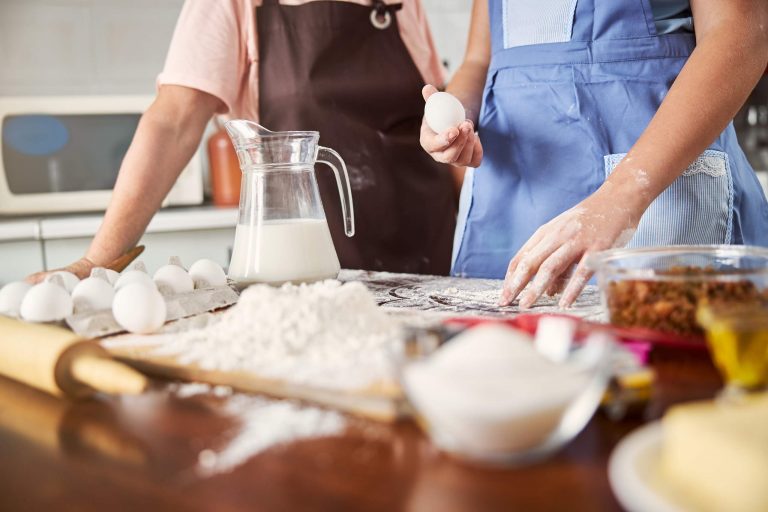
One of the leading reasons a cake ends up dry is because there is too much flour. Flour absorbs liquid, so even a slight extra amount can alter the texture of your cake. Scooping flour from a bag with a measuring cup will also pack it tightly, resulting in more flour than the recipe calls for.
Try This Instead
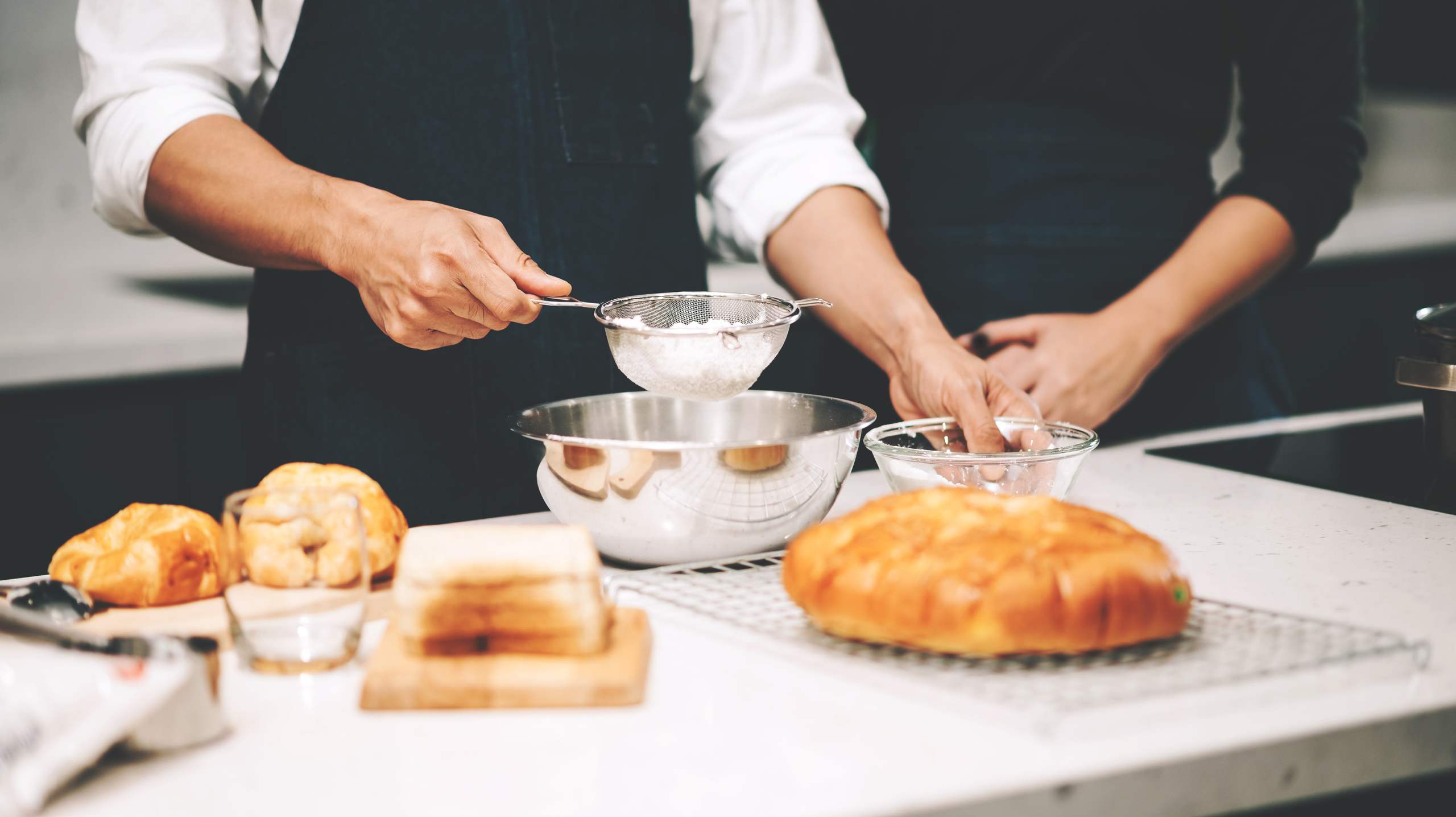
If you can, measure flour by weight with a kitchen scale. Alternatively, use a spoon to gently scoop the flour into a measuring cup, then level off the top. Do not pack the flour down.
2. Overbaking
Even with a perfectly balanced cake, leaving it in the oven for too long will dry it out. Ovens vary, so the time listed in a recipe should be used as a guide rather than a set rule.
Test Early
Begin testing your cake a few minutes before the suggested time is complete. The ideal cake should pull out of the oven with a clean toothpick or slightly damp crumbs, depending on the recipe.
The aim is to take the cake out once it’s done, but before it has dried out.
3. The Oven Is Too Hot
If your oven runs hot, the outside of your cake may finish before the center has had a chance to cook properly. This could mean that you pull the cake out when it appears to be done, but it has already lost too much moisture.
If your baked goods tend to brown too quickly, check the actual temperature of your oven with a thermometer.
4. Not Enough Fat or Liquid
Many cake recipes call for butter, oil, milk, cream, yogurt, or other ingredients that add moisture to the final product. Altering the amount of these ingredients without considering their role can easily lead to a dry cake.
Make Substitutions Wisely
Ingredient substitutions are helpful in certain situations, but they don’t always produce identical results. When making a substitution, pay attention to the fat, water, and sugar content of the new ingredient.
5. Mixing Too Much
Gluten forms when flour comes into contact with water. Some gluten development is required for a cake to rise properly, but too much can leave it dense and tough. For many cake recipes, you’ll want to mix only until all of the ingredients are incorporated.
Don’t Overmix
It’s fine to stop mixing once the batter is fully combined, even if there are a few lumps left. Overmixing can ruin your cake.
Improving Your Next Cake
To prevent your next cake from drying out, try the following:
- Use accurate measurements for flour.
- Follow the recipe’s ingredient amounts.
- Avoid unnecessary mixing.
- Start testing the cake before the full baking time.
- Check your oven temperature.
- Let the cake cool properly before slicing.
Making these changes will go a long way in improving your cakes.
Final Thoughts
A dry cake isn’t necessarily a sign that you’re a bad baker. Baking involves the right balance of ingredients, technique, temperature, and timing. Even professional bakers encounter mistakes from time to time.
Don’t see a failed cake as a failure. Instead, view it as an opportunity to learn. By identifying the cause of the dryness, your next cake will have a far greater chance of being light, tender, and everything you dreamed it would be.