If you have ever seen someone baking a perfectly decorated cake, or a tray of perfectly golden pastries, or even a perfectly-shaped loaf of bread, it is easy to get discouraged. You might think that there is no way you could possibly know how to replicate what you just saw, especially if you’re a beginner. The good news? Most bakes come down to a few basic techniques, and there are five skills you need to get your hands on before you can start experimenting with your own recipes.
1. Measuring
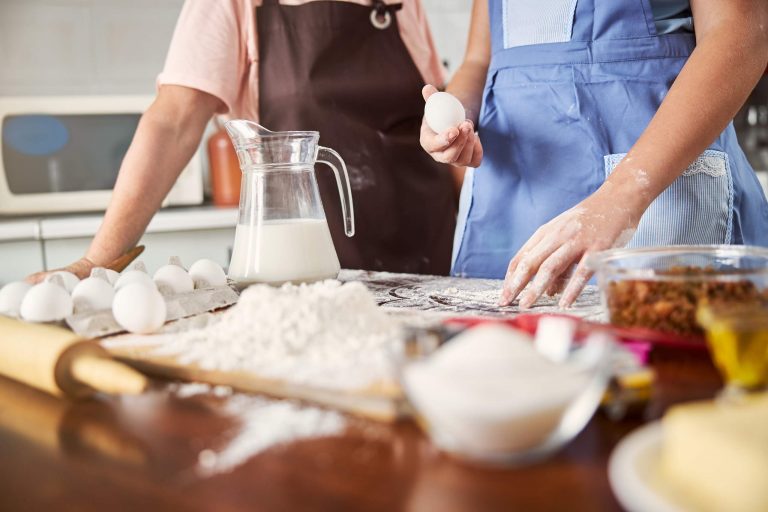
It’s important to measure accurately when you are baking, since small differences in the ratio of ingredients (flour, sugar, butter, liquid, etc.) can drastically affect the outcome. If you use a little too much flour, your cake might end up dry. A little too much liquid and your batter will be too wet to properly hold its shape.
If you don’t already, start using a scale to weigh your ingredients. This way, you’ll always know you’re getting the right amount of everything, and your results will be more consistent.
2. Mixing
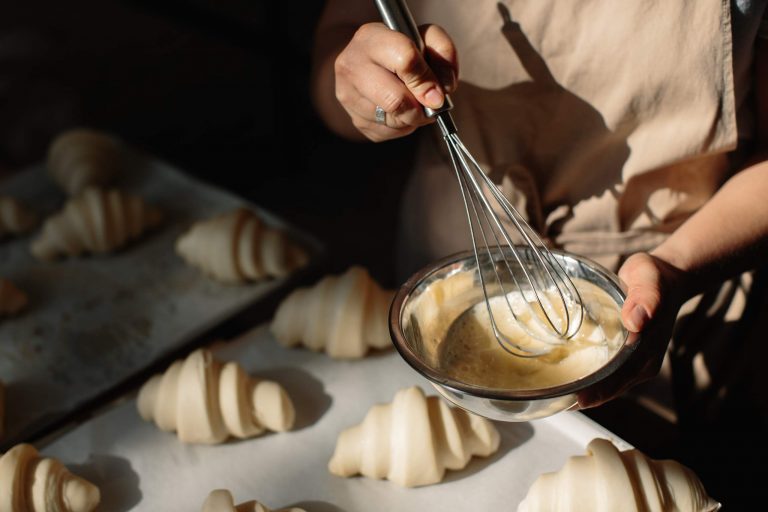
Another thing to keep in mind is that not all mixing is equal. There are different ways of mixing that work for different types of recipes. For example, once you add the flour to a cake batter, you need to be careful about over-mixing. In contrast, bread dough needs to be mixed for quite a long time to develop gluten and achieve the right texture. So, knowing which technique is appropriate for your recipe can mean the difference between a successful bake and a failed one.
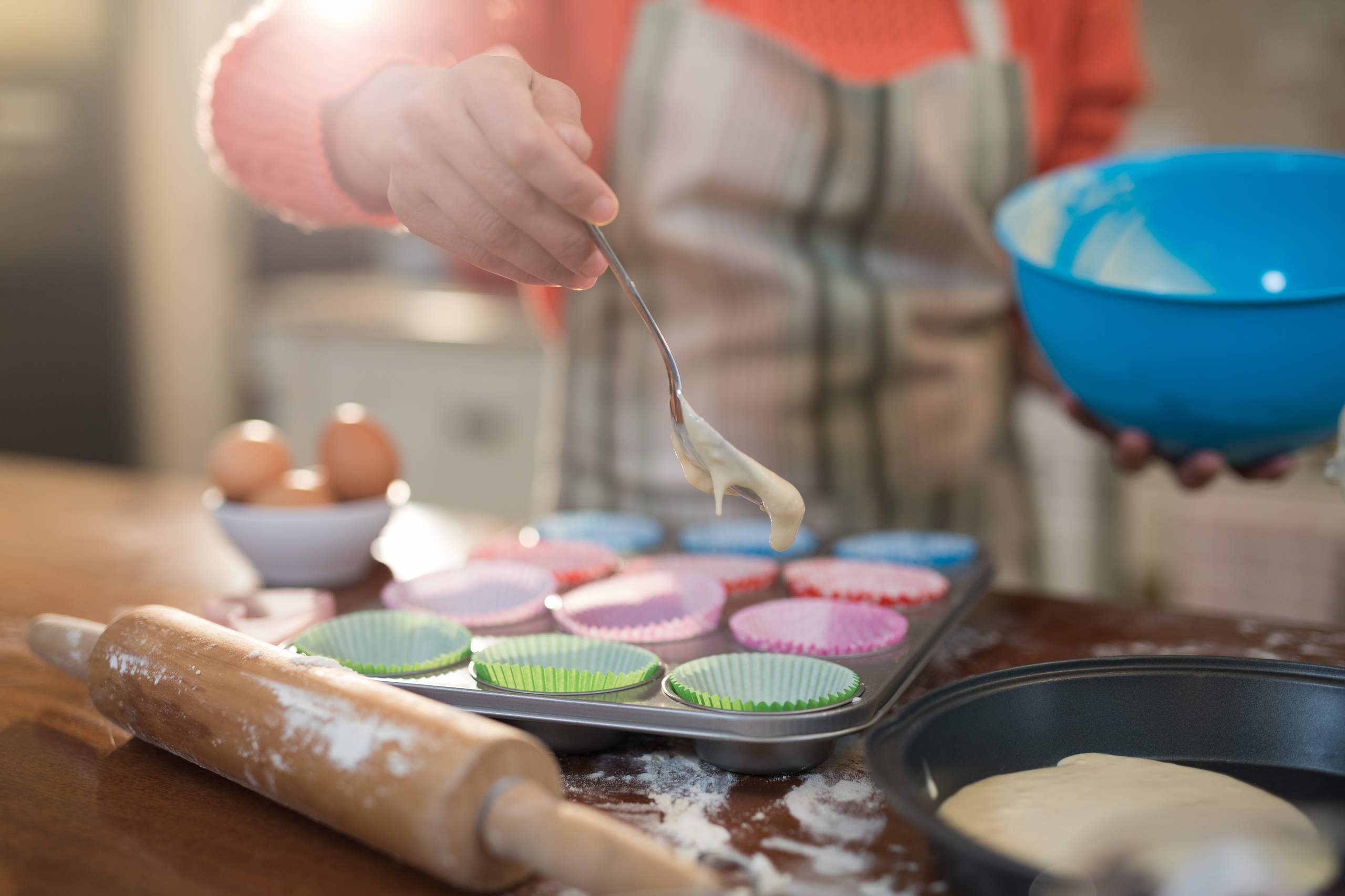
Another common beginner mistake is over-mixing. Many people will keep mixing until their batter is perfectly smooth, but some batters are supposed to remain a bit lumpy. If you keep mixing, you’ll risk developing too much gluten, leading to a tough or dense product. Get used to reading the recipe for instructions on mixing time and look for visual cues as opposed to following the time exactly.
3. Working with Dough
Learning how to handle dough is an important skill for any baker. Whether you’re working with bread dough, pastry dough, cookie dough or anything else, learning how dough behaves will help you to work with your recipes more effectively.
Pay close attention to how your dough feels, looks, reacts to your touch, etc. The best way to learn how to work with dough is to practice. Don’t worry if your first attempts are less than successful, as even experienced bakers have days when the dough feels off or won’t come together correctly. Working with dough is all about understanding how it feels in your hands. You’ll soon get used to what it should feel like, and then your bakes will come out much better.
4. Your Oven
Understanding how your oven works is one of the most important things to learn when you start baking. Even if two ovens are both set to the same temperature, they can still cook at slightly different rates depending on how they heat up. You should always check your oven to make sure it’s actually at the temperature you’ve set it to. Additionally, you should find out where your oven runs hot and where it runs cool so that you can use that knowledge to optimize your baking.
Always keep an eye on your bake to make sure it’s ready. Recipe timings are usually just guidelines and are rarely exact. Learning to visually assess whether your cake, bread, or pastry is cooked will improve your results over time.
5. Patience
Finally, you should be prepared to be patient. While some bakes will take only a few minutes, others, especially yeast doughs, can take several hours. Don’t try to rush through the steps, or you might end up with a disaster. Instead, give each step its proper time.
This means that if you are making a cake, let it cool completely before frosting it. If you are making bread, let it rise fully before baking it. The same goes for pastry doughs; give your dough enough time to rest or chill. The secret is to allow the process to unfold naturally, rather than forcing it to happen faster.
By focusing on these basics first, you’ll build a foundation of knowledge that you can rely on when it comes time to experiment with new recipes. As you become more confident with measuring, mixing, dough, ovens, and time, you’ll soon be able to tackle a variety of recipes and improve with every bake. Remember that every bake is an opportunity to learn something new.